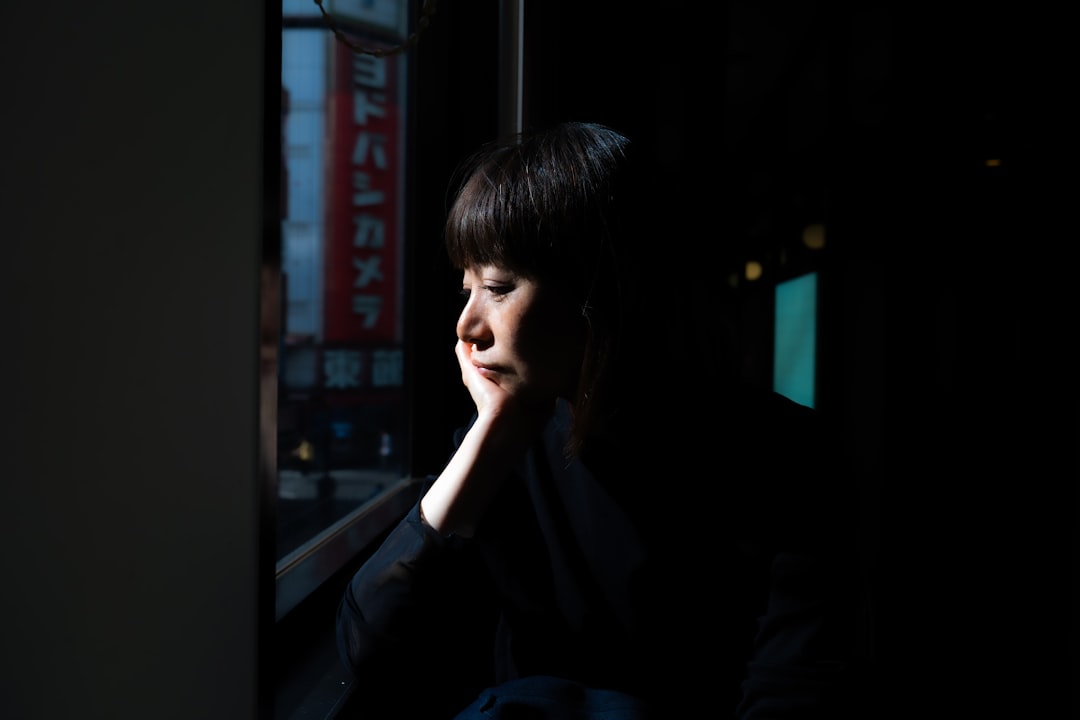
Grief is one of the most universal human experiences. It does not mean something has gone wrong inside you. It means you loved something or someone, and now they are gone. That is not a disorder. That is being human.
But grief can also be overwhelming. It can steal your sleep, your appetite, your sense of purpose. It can make ordinary tasks feel impossible. And for some people, it does not ease with time the way it usually does.
This article is for anyone wondering whether what they are feeling is "normal" grief or something that needs more support. We will walk through the difference between natural bereavement and prolonged grief disorder, what grief counselling actually involves, and how to access bereavement support across Canada. If you have been struggling and wondering whether reaching out is the right call, we hope this helps you find clarity.
What Grief Actually Is
Grief is not one feeling. It is a whole landscape of feelings that shift and change, sometimes moment to moment. You might feel deep sadness, then numbness, then anger, then a strange burst of laughter at a memory, then guilt for laughing. All of that is grief.
It is also not linear. The old model of grief as five neat stages moving from denial to acceptance has been largely set aside by modern clinical understanding. Grief does not work on a schedule. It circles back. It catches you off guard months later in a grocery store when a familiar song comes on.
Grief can follow the death of a person, but it also follows other significant losses. The end of a long relationship. A serious diagnosis. The loss of a career, a home, or a version of your future you believed in. Grief is grief, regardless of what triggered it.
For most people, grief is painful but not permanently disabling. With time, community, and the natural process of adjustment, the acute intensity softens. Life does not go back to what it was. But it does become liveable again.
Normal Grief vs. Prolonged Grief Disorder
Prolonged grief disorder is a clinical diagnosis that recognizes a specific pattern where grief does not ease over time but instead becomes a persistent, disabling condition. It is listed in the DSM-5-TR and is recognized by mental health clinicians across Canada.
The key distinction is not how intensely you are grieving. Intense grief is normal. The distinction is whether grief is continuing to significantly impair your daily life beyond what would be expected given the time since your loss.
Clinically, prolonged grief disorder is characterized by persistent grief lasting more than 12 months after the death of a loved one, combined with a specific pattern of symptoms. These include intense longing for the person who died, difficulty accepting the loss, feeling that a part of yourself has died along with them, emotional numbness, bitterness, and the sense that life is meaningless without that person.
It is important to say this clearly: prolonged grief disorder is not about being "weak" or grieving too much. It reflects a disruption in the natural grieving process, often influenced by the nature of the loss, past trauma, a lack of social support, or the circumstances surrounding how someone died. Sudden deaths, traumatic deaths, and the loss of a child are among the situations that carry higher risk for prolonged grief.
The distinction between normal grief and prolonged grief disorder matters because they respond differently to support. Normal grief benefits enormously from community, time, and compassionate space. Prolonged grief disorder benefits from specific, evidence-based therapeutic approaches delivered by a trained clinician.
Signs You May Need Professional Support
Not every person who is grieving needs formal counselling. But some do. And the challenge is that grief itself can make it hard to recognise when you have crossed that line.
At Threshold Clinic, our Registered Counsellors work with many people who came to us months or years after a loss, often saying some version of the same thing: "I thought I just needed more time." Time alone is not always enough.
Consider reaching out to a mental health professional if you recognize any of the following:
- Your grief is as intense or more intense now than it was shortly after the loss
- You are unable to engage in basic daily activities like eating, sleeping, working, or caring for yourself or others
- You are isolating yourself from everyone in your life
- You are using alcohol, substances, or other behaviours to manage the pain
- You are experiencing persistent thoughts that life is not worth living
- You feel a complete inability to imagine or want a future
- You are avoiding any reminder of the person or loss to a degree that limits your life
- You feel stuck, as if time has stopped moving forward for you while it moves on for everyone else
If you are having thoughts of suicide or self-harm, please reach out to a crisis line immediately. In Canada, you can call or text 988 to reach the Suicide Crisis Helpline, which is available 24 hours a day.
Seeking support is not an admission that your grief is abnormal. It is a recognition that some pain is too heavy to carry alone.
What Bereavement Counselling Looks Like
Many people who have never been to counselling feel uncertain about what to expect. That uncertainty can be a barrier to reaching out. So let us walk through it plainly.
Bereavement counselling is a form of talk therapy specifically focused on helping you process loss. It is not about being told how to feel or being given a timeline for "getting over" your grief. A skilled Registered Counsellor will meet you where you are, not where they think you should be.
In early sessions, your counsellor will ask about your loss, your relationship with the person or thing you have lost, and how grief has been affecting your life. This is not an interrogation. It is an effort to understand your specific experience, because grief is deeply personal and every person's needs are different.
For people experiencing normal bereavement, counselling might focus on creating a safe space to express feelings that feel too heavy to share with friends or family, processing complicated emotions like guilt or anger, and building a path forward that honours the loss while still engaging with life.
For people meeting criteria for prolonged grief disorder, there are specific evidence-based approaches that have strong clinical support. Complicated grief treatment, a structured therapeutic model developed for prolonged grief, helps clients process the loss, revisit painful memories in a supported way, and rebuild a sense of purpose and connection. Cognitive-behavioural approaches are also used to address unhelpful thought patterns that may be keeping someone stuck.
Sessions are typically held weekly, often for a period of several months. The pace is guided by you. Progress in grief work is not always a straight line, and a good counsellor will not rush you.
Grief counselling can be done in person or via secure video sessions, which makes it accessible for people in rural or remote parts of Canada where in-person services may be limited.
Grief Counselling in Canada: What Is Available
Access to grief support in Canada varies by province and by personal circumstance, but there are more options than many people realise.
Private counselling through clinics like Threshold Clinic offers direct access to Registered Counsellors with experience in bereavement. Many Canadians have coverage for private counselling through employer benefits plans or extended health insurance. It is worth checking your plan before assuming you need to pay entirely out of pocket.
The Canadian Mental Health Association operates branches across most provinces and territories. Many CMHA branches offer grief support groups and subsidized counselling services for people who cannot afford private rates. These are genuine resources, not waiting rooms for people in crisis.
The Centre for Addiction and Mental Health in Ontario offers educational resources on grief and loss, including guidance on when to seek professional help. Their public resources are freely available and evidence-based.
Hospice organizations across Canada also offer bereavement support, often at no cost, for people who have lost a loved one to a terminal illness. These services are frequently underused because many people do not realise they extend beyond the immediate period of a loved one's death.
Provincial health lines in many provinces can provide referrals to local grief support resources. In British Columbia, Health Link 811 offers navigation support. Ontario's Connex Ontario service helps connect residents to mental health services. Similar services exist across other provinces.
Online grief support communities also play a meaningful role for many Canadians, particularly for losses that carry stigma or may feel difficult to talk about in local settings. These are not replacements for professional support but can be a valuable part of a broader support network.
How to Take the First Step
Reaching out for grief counselling when you are already exhausted by grief can feel like an enormous task. We hear this from clients regularly. The thought of explaining your loss to someone new, of reliving painful details, can make the idea of counselling feel like more pain on top of pain.
What most people find, though, is that the first session is gentler than they feared. A good counsellor will not push you to go anywhere you are not ready to go. The goal of that first conversation is simply connection and understanding.
You do not need to have decided you have prolonged grief disorder, or any diagnosis at all, before you reach out. You do not need to meet a threshold of "bad enough" to deserve support. If grief is significantly affecting your quality of life and you feel you need help, that is enough.
When you contact a clinic, you will typically be asked to complete a brief intake form and then be matched with a counsellor whose experience aligns with your needs. At Threshold Clinic, we take care to match clients thoughtfully, because the relationship between a client and their counsellor matters as much as the techniques used.
Grief does not have to be carried alone. Reaching out is not a sign that you are broken. It is a sign that you are taking your own wellbeing seriously. That is worth something. That is worth a lot.
If you are ready to take that step, we invite you to learn more about Threshold Clinic and the bereavement support we offer. You do not have to figure out how to grieve correctly. You just have to reach out.